Why Venting a Bathroom Fan into the Attic Can Lead to Mold Problems
Venting a bathroom exhaust fan directly into the attic is a shortcut that can cause serious moisture issues. Instead of carrying humid air outside, this setup dumps it into a space that is usually colder and poorly ventilated. The result is condensation on roof sheathing, rafters, and insulation, conditions that promote mold growth. If you are planning a home improvement project or scheduling a bathroom mold inspection, understanding why this venting method fails is the first step toward protecting your home.
How Bathroom Fans Are Supposed to Work
A bathroom exhaust fan is meant to remove moisture, odors, and airborne particles from a small, humid space. Proper installation requires a duct that runs from the fan housing to the outside, typically through a roof cap, a sidewall vent, or a soffit vent. The fan creates negative pressure that pulls damp air out of the bathroom and pushes it outdoors. This process relies on a clear, unobstructed path to the exterior. When that path ends inside the attic, the system breaks down.
Why Attic Venting Causes Condensation
Attics are usually cooler than the rooms below, especially in winter. Warm, moisture-laden air from a shower or bath rises into the attic and hits cold surfaces. The temperature difference causes the water vapor in the air to condense into liquid water. This condensation can drip onto insulation, soak into wood framing, and collect on the underside of the roof deck. Over time, those damp surfaces become a breeding ground for mold spores that are always present in household air.
Even in warmer months, a bathroom fan that vents into the attic can create problems. Attics often stay warmer than the living space, and the added humidity can linger, especially if the attic has limited passive ventilation. Ridge vents, soffit vents, and gable vents are designed to handle some moisture movement, but they are not meant to cope with the concentrated humidity from a bathroom fan. The system simply cannot move that volume of air out fast enough.
Signs That a Bathroom Fan Is Vented into the Attic
If you suspect your bathroom fan might be dumping air into the attic, there are a few things to check. During a bathroom mold inspection, a professional will look for these signs:
- A duct that leads upward but does not exit through the roof or a wall cap
- Discoloration or water stains on attic roof sheathing near the vent opening
- Wet or compressed insulation around the duct termination point
- Visible mold or mildew on attic rafters or the underside of roof decking
- Musty odors in the attic that are not present in the rest of the house
If you notice any of these, it is worth investigating further. Ignoring the problem can allow moisture damage to spread, affecting both the attic and the rooms below.
Hidden Damage That Can Go Unnoticed
One of the trickiest aspects of attic venting is that the damage often stays hidden for months or years. The attic is not a regularly visited space, so small leaks or damp spots can develop into large mold colonies before anyone notices. Mold spores can then travel through air leaks in the ceiling into the living space, affecting indoor air quality. This is especially concerning in bedrooms or rooms where people spend a lot of time.
In addition to mold, the moisture can degrade the insulation's R-value. Wet insulation does not insulate well, which can increase heating and cooling costs over time. It can also lead to rot in wooden structural components, which is expensive to repair. The damage is not always obvious from inside the bathroom, which is why a thorough bathroom mold inspection should include checking the attic access and the fan duct termination.
What a Proper Venting Solution Looks Like
Fixing a bathroom fan that vents into the attic usually means extending the ductwork to the outside. This can involve running a new duct through the roof with a weatherproof cap, or through a sidewall with a louvered vent. The duct should be smooth-walled and properly insulated to prevent condensation inside the duct itself. A backdraft damper is also recommended to keep outside air from flowing back into the fan when it is off.
For homes where running new ductwork is not practical, a heat recovery ventilator (HRV) or a ventilating dehumidifier might be an alternative. These systems can remove moisture from the exhaust air before releasing it, reducing the burden on the attic space. But for most homes, a straightforward duct-to-exterior installation is the most reliable approach.
Mold Prevention and the Role of a Professional Inspection
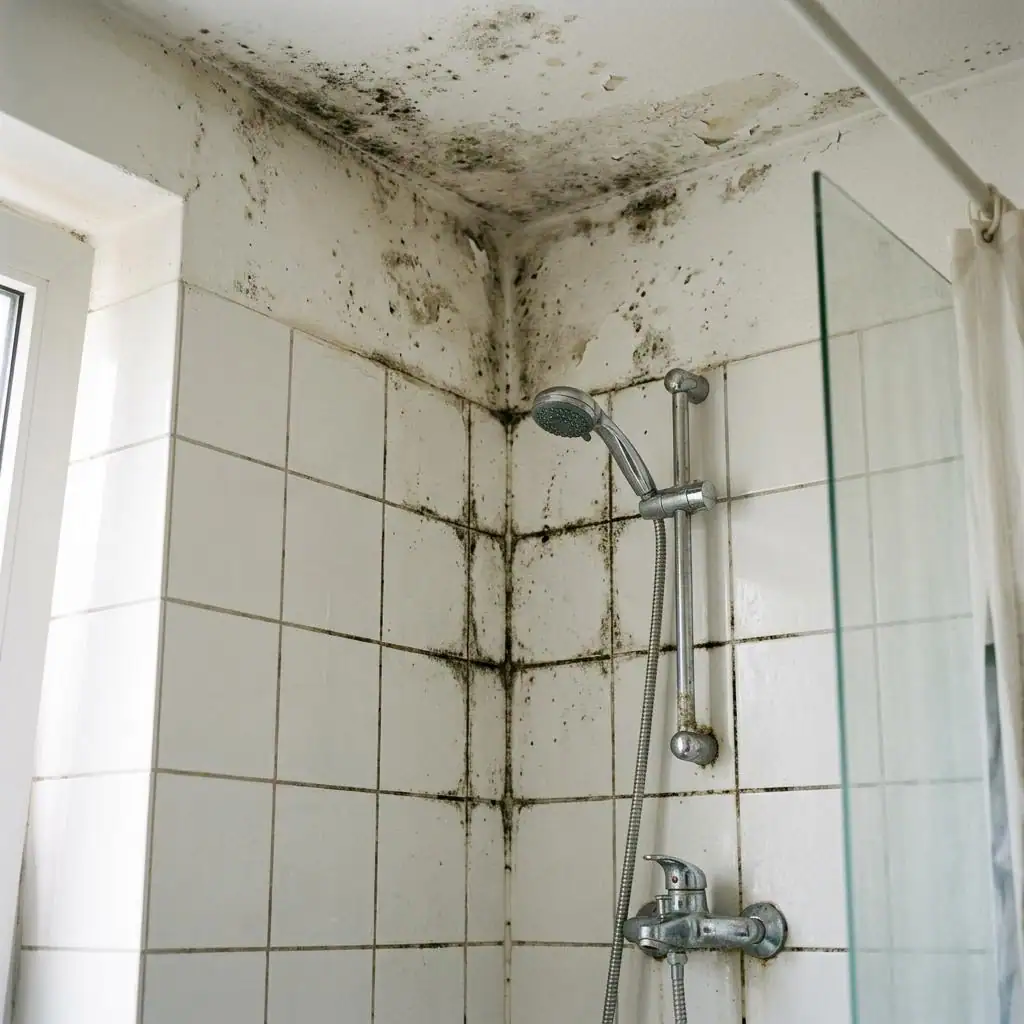
Preventing mold in a bathroom goes beyond fixing the fan. It involves addressing the whole moisture system, ventilation, sealing, drainage, and material choices. A professional bathroom mold inspection can identify hidden moisture pockets, evaluate the current venting setup, and recommend specific repairs. The inspector will look at the fan's performance, duct routing, attic conditions, and the bathroom's overall air movement.
Mold Removal Boston Pros, a local service that remediates bathroom mold by addressing visible growth, hidden moisture, damaged materials, and ventilation problems, regularly sees cases where attic venting is the root cause. Their inspections often start with a simple question: where does the fan duct actually go? If the answer is "into the attic," the next steps involve rerouting the exhaust and drying out the affected area.
For homeowners considering a renovation or dealing with recurring mold, it is worth consulting with a service like Mold Removal Boston Pros. They can assess whether the current venting is adequate and recommend changes that fit the home's design. A good inspection will also check for other moisture sources, such as plumbing leaks or poor grout and caulking, that might be contributing to the problem. The website moldremovalboston.org offers information on how these factors connect and what homeowners can expect from a thorough assessment.
Common Mistakes in Bathroom Fan Installation
Beyond venting into the attic, there are other installation errors that can undermine a fan's effectiveness. Some fans are undersized for the room's square footage. Others are installed without a proper duct, relying on a flexible plastic hose that can sag and trap moisture. Some are wired to a switch that runs on a timer but does not run long enough to extract all the humidity after a shower. Each of these problems can be identified during a bathroom mold inspection.
Another mistake is using an undersized or uninsulated duct. If the duct passes through a cold attic, it can collect condensation on its inner surface, which then drips back into the fan or onto the attic floor. Insulating the duct helps prevent this, but only if the duct actually terminates outside. Insulating a duct that ends in the attic just masks the real problem.
What Homeowners Can Do Right Now
If you are dealing with a bathroom fan that seems to move air but does not seem to dry the room effectively, start by checking where the vent goes. Look in the attic for a duct that ends abruptly. If you find one, you have identified a likely cause of moisture issues. In the short term, you can reduce the fan's use and rely more on opening a window or running a stand-alone dehumidifier. But the real fix involves rerouting the exhaust.
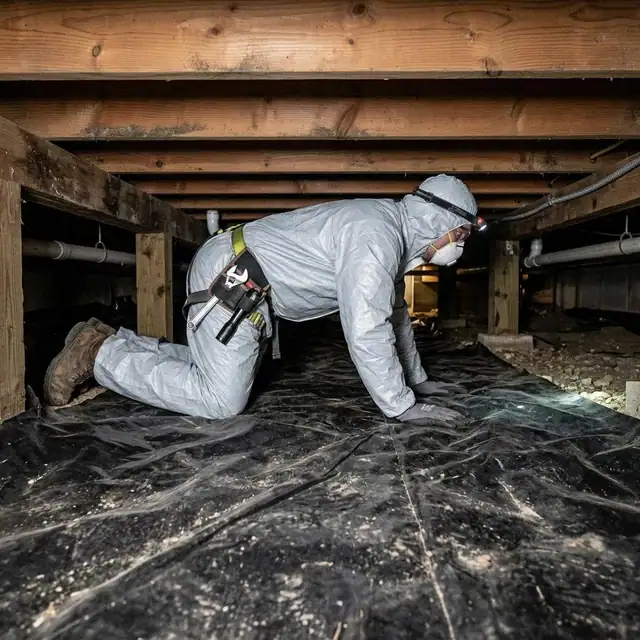
Scheduling a bathroom mold inspection is a good next step. A professional can confirm the venting path, assess any existing mold or moisture damage, and give you a plan for correcting it. Many homeowners are surprised at how straightforward the fix can be, and how much difference it makes for both air quality and home durability.
Final Thoughts
Venting a bathroom fan into the attic is one of those shortcuts that seems harmless at first but can lead to costly repairs. The moisture that should go outside ends up inside the building envelope, where it creates ideal conditions for mold growth. Understanding this connection helps homeowners make informed decisions about maintenance and repairs. A proper bathroom mold inspection will include checking the fan and ductwork, because what you cannot see often causes the most trouble. The website moldremovalboston.org provides further details on how professionals approach these inspections and what solutions they typically recommend.